Key Takeaways
- Australia offers distinct seasonal advantages for luxury travel across its diverse climates and landscapes.
- Each season offers unique high-end experiences, from reef charters and yacht cruises to wine regions, Outback retreats and coastal escapes.
- The ideal time to visit depends on the traveller’s preferences, climate comfort and desired activities.
- Academic and government sources confirm predictable weather patterns across regions, helping travellers choose with confidence.
- ALE designs private, tailored itineraries that optimise seasonal conditions for premium comfort and exclusivity.
Content List
- Introduction
- Understanding Australia’s Climate
- Summer: December to February
- Autumn: March to May
- Winter: June to August
- Spring: September to November
- Best Time to Visit Based on Travel Interests
- Frequently Asked Questions
Best Time to Visit Australia for Luxury Travellers
Australia’s vast size means that the best time to visit varies greatly depending on the region and the type of experience you are seeking. Luxury travellers often prioritise comfort, exclusivity and access to premium environments, which makes seasonal planning an essential part of the journey. According to the Australian Government Bureau of Meteorology, Australia’s climates range from tropical in the north to temperate in the south, resulting in significant seasonal differences across states and territories.
Source: https://www.bom.gov.au/climate
Understanding these climate patterns helps travellers choose the perfect season for reef adventures, Outback expeditions, wine country escapes or coastal retreats. With tailored private itineraries created by Australian Luxury Escapes, each season can offer something exceptional when matched with the right destination.
Understanding Australia’s Climate
Australia experiences four main seasons in the southern regions and two dominant seasons in the tropical north. The Bureau of Meteorology outlines that summer brings higher temperatures nationwide, while winter introduces cooler conditions in southern states and milder temperatures in the northern tropics.
Source: https://www.bom.gov.au/climate
For luxury travel, this means travellers can enjoy favourable weather somewhere in Australia year-round. The key is matching seasonal conditions to the desired style of travel, whether that involves pristine beaches, lush wilderness or dramatic Outback landscapes. ALE uses current climate data, regional knowledge and real-time local insights to plan itineraries that maximise enjoyment and comfort.
Summer: December to February
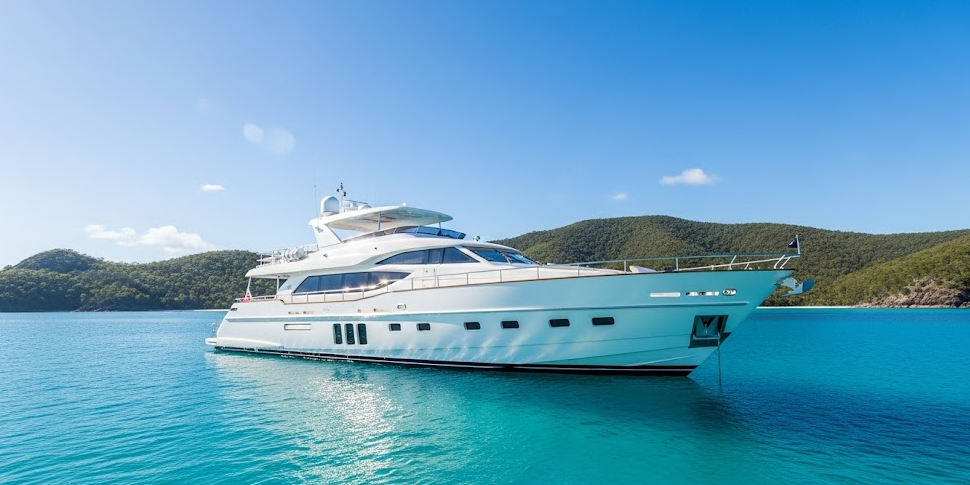
Summer in Australia is known for its warm temperatures, long daylight hours and vibrant coastal atmosphere. Luxury travellers often gravitate toward Sydney, the Whitsundays and the Great Barrier Reef during this season due to ideal water conditions and lively cultural events. Coastal cities offer premium dining, private yacht charters and exclusive New Year celebrations that appeal to visitors seeking a sophisticated summer escape. Research from Tourism Australia suggests that these regions see significant demand in summer due to their accessible beaches and world-class marine environments.
Source: https://www.tourism.australia.com
Despite being popular, premium travellers can still enjoy privacy and exclusivity by booking private cruises, guided tours and luxury accommodation that avoid crowded areas. This makes summer a strong choice for travellers who appreciate warm weather and energetic coastal experiences.
Autumn: March to May
Autumn is often considered one of the most comfortable seasons to travel in Australia due to mild temperatures and stable weather patterns. The wine regions of South Australia, Western Australia and New South Wales become particularly appealing during this period, offering harvest events and premium cellar-door experiences. According to Wine Australia, autumn corresponds with the vintage season, creating opportunities for travellers to enjoy vineyard tours and curated tastings.
Source: https://www.wineaustralia.com
Sydney, Melbourne and Hobart also experience pleasant conditions that encourage outdoor activities, cultural events and gourmet dining experiences. For luxury travellers looking for balance, comfort and refined experiences, autumn is an excellent choice with fewer weather extremes and beautiful natural colours.
Winter: June to August
Winter in Australia varies significantly between the north and south, creating a unique spread of luxury experiences. In the northern regions such as the Great Barrier Reef, Darwin and the Kimberley, winter offers dry, sunny days and low humidity. The Government of the Northern Territory highlights that winter aligns with the Top End’s dry season, making it the most comfortable time for outdoor exploration, wildlife viewing and cultural tours.
Source: https://northernterritory.com
Luxury travellers often choose this period for reef charters, Indigenous-led rainforest tours and expedition cruising in remote wilderness areas. Meanwhile, southern Australia offers cool temperatures, cosy lodges and opportunities for fine dining and wellness retreats. Winter is ideal for those who prefer milder climates or immersive nature experiences with fewer weather risks.
Spring: September to November
Spring brings renewed landscapes, fresh blooms and rising temperatures across the country. It is a popular season for luxury travellers who enjoy walking trails, wildlife encounters and coastal escapes without the intense heat of summer. According to Parks Australia, spring is the best time to observe wildflowers in regions such as Western Australia, where biodiversity is at its peak.
Source: https://www.parksaustralia.gov.au
This season also aligns with whale watching along the east and south coasts, allowing travellers to enjoy private marine charters with expert guides. Spring combines comfortable weather conditions with bright natural scenery, making it one of the most versatile seasons for high-end travel across multiple states.
Best Time to Visit Based on Travel Interests
For Beaches and Islands
The northern reef and islands are best from June to October, while southern beaches shine from December to March. These months offer warm water, clear visibility and prime conditions for private boating and snorkelling.
For the Outback
The Outback is most enjoyable from April to October, when temperatures are milder and skies remain clear. This allows travellers to fully appreciate remote lodges, guided cultural activities and dramatic desert landscapes.
For Wildlife Experiences
The period from July to November is ideal for whale watching, birdlife, wildflowers and reef activity. Private charters and guided walks are particularly rewarding during these months.
For Food and Wine
Wine regions are at their best in autumn and spring, offering premium tasting events and picturesque vineyard landscapes. Fine dining restaurants also feature seasonal produce during these periods.
Frequently Asked Questions
- What is the best all-round season to visit Australia for luxury travel
Autumn and spring are considered the most comfortable and versatile seasons due to mild temperatures and stable conditions across regions. - When is the best time to visit the Great Barrier Reef
Winter and early spring are ideal, offering clearer visibility, minimal rainfall and calmer marine conditions. - Is the Australian Outback too hot in summer
Yes, temperatures can reach extreme levels. The best time to visit is April to October when conditions are more suitable for outdoor activities. - When do whale migrations occur in Australia
Most whale migrations take place between July and November along the east and south coasts. - Can ALE create a customised itinerary based on preferred weather
Yes. Every itinerary is privately designed to align with your travel preferences, climate comfort and seasonal highlights.